







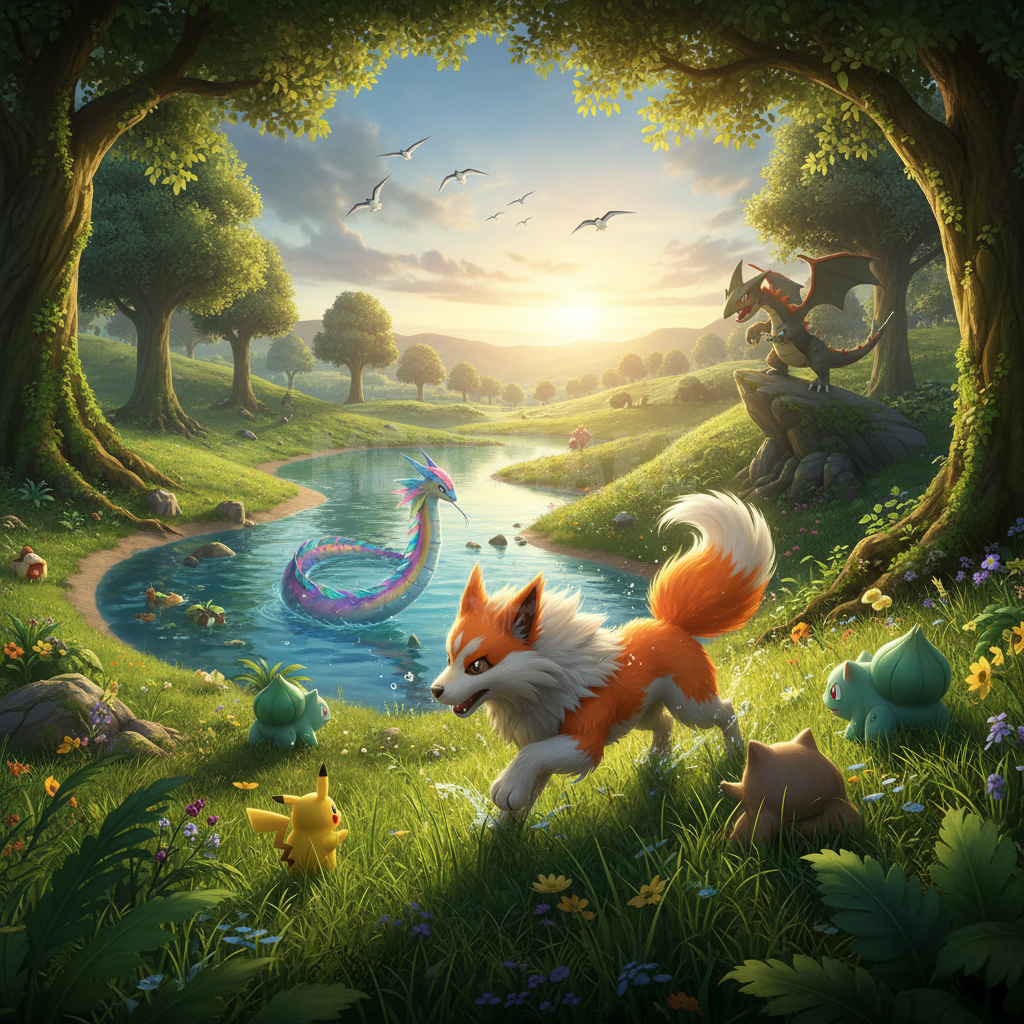

Pokémon Pokopia has launched on Nintendo Switch 2, and the gaming industry is having an existential debate about what that means. The game is a creature-collection and habitat-building experience designed from the ground up for mobile, now ported to console. It’s successful – wildly so – but the question hanging over it is uncomfortable: Is this what console gaming has become?
The Pokopia Phenomenon
Pokopia is undeniably popular. The game combines creature collection (the core Pokémon fantasy) with habitat management (think Tamagotchi meets Civilization). It’s accessible, it’s engaging, and it’s designed to be played in short bursts or long sessions. On mobile, it’s a phenomenon. On Switch 2, it’s become a system-seller.
But here’s where the debate gets interesting: Pokopia is fundamentally a mobile game. Its design DNA – progression gates, daily login rewards, habitat customization loops – comes from the mobile playbook. The Switch 2 version doesn’t fundamentally change this. It just gives it a bigger screen and a controller.
The Larger Conversation: Console Games Are Becoming Mobile Games
This isn’t new. The industry has been trending this way for years. But Pokopia’s success on Switch 2 makes it impossible to ignore. Console hardware is becoming a platform for mobile-first design patterns. And that raises uncomfortable questions:
- Are we losing console-specific game design? Games built specifically for controllers, for TV screens, for longer play sessions?
- Is the distinction between “console” and “mobile” becoming meaningless? If the same game works on both, what’s the difference?
- Are players okay with this? Clearly, yes – Pokopia is selling. But is that because it’s good, or because Pokémon is Pokémon?
The Counterargument: Accessibility Isn’t a Bad Thing
To be fair, there’s a strong case for Pokopia’s existence on Switch 2. The game is accessible. It doesn’t demand 40 hours of grinding to feel rewarding. It doesn’t gatekeep content behind skill checks. It lets players engage with Pokémon in a way that traditional mainline games don’t.
And if console hardware can deliver that experience to a wider audience, is that really a loss? The Switch 2 isn’t cannibalizing traditional console gaming – it’s expanding what console gaming can be.
Our Take
Pokopia on Switch 2 is a symptom of a larger shift: the death of platform-specific design. In the 1990s and 2000s, console games were fundamentally different from PC games, which were different from arcade games. Now, everything is designed for everything.
That’s not inherently bad. But it does mean we’re losing something – the idea that hardware constraints could drive creative solutions. Pokopia is a great game. But it’s also a reminder that the future of gaming might be less about innovation and more about optimization.
Leave a Reply