





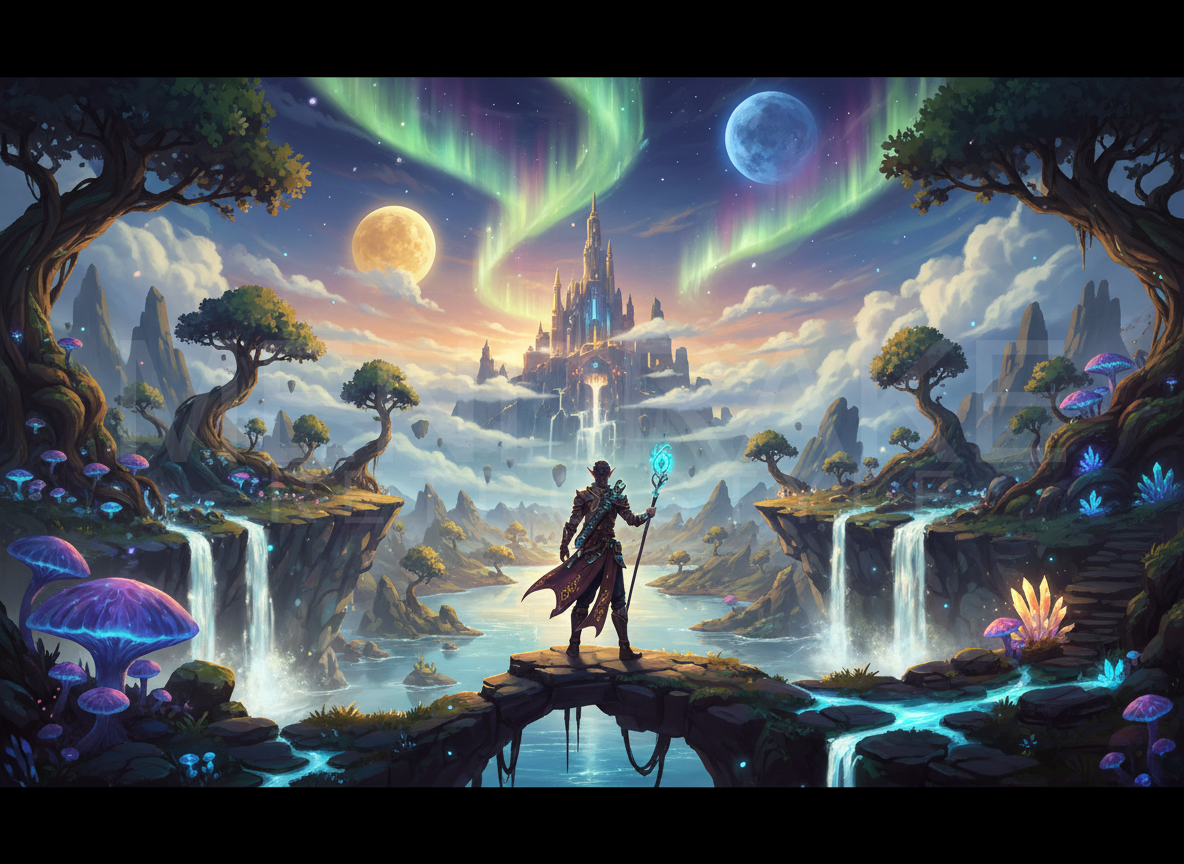

Oniro is a hidden jewel in the indie gaming scene that deserves far more attention than it’s currently receiving. This beautiful adventure game combines absolutely stunning visuals with an emotionally resonant story that will stay with you long after the credits roll. If you’ve been looking for something special, something that offers a refreshing change of pace from the usual AAA blockbusters, Oniro is exactly what you need.
The game’s visual presentation is breathtaking. Every frame looks like a painting, with carefully crafted environments that are bursting with color, detail, and personality. The art style is distinctive – it’s not trying to be photorealistic, but rather creating its own unique aesthetic that’s instantly recognizable and absolutely gorgeous. The character design is charming, with expressive animations that convey emotion without relying on dialogue. The environments range from lush forests to ancient ruins to surreal dreamscapes, and each location is meticulously crafted with attention to detail that shows the developers’ passion for their work.
The gameplay focuses on exploration and puzzle-solving, but in a way that never feels frustrating or obtuse. The puzzles are logical and fair – when you solve one, you feel genuinely clever rather than like you stumbled upon the solution by accident. The game respects your intelligence and doesn’t hold your hand, but it also doesn’t punish you for experimentation. There are no time limits, no fail states, and no combat – it’s purely about discovery and problem-solving.
What makes Oniro truly special is how it weaves storytelling and gameplay together seamlessly. You’re not just playing a game with a story attached – you’re experiencing a narrative that unfolds through your interactions with the world. The story is told through environmental details, character interactions, and subtle visual cues rather than lengthy cutscenes or exposition dumps. This approach makes the story feel organic and natural, allowing you to piece together the narrative at your own pace.
The soundtrack is absolutely masterful. Every piece of music perfectly complements the mood of the moment, whether it’s a peaceful exploration theme or a tense puzzle-solving sequence. The sound design is equally impressive, with ambient sounds that bring the world to life. The audio design is so good that you might find yourself just sitting and listening, soaking in the atmosphere.
The emotional impact of Oniro is significant. Without spoiling anything, the game deals with themes of loss, redemption, and hope in a way that’s both subtle and powerful. By the time you reach the ending, you’ll likely find yourself reflecting on the journey you’ve taken and the character you’ve been following. The game trusts the player to understand the emotional beats without spelling everything out, which makes the experience all the more impactful.
The pacing is perfect. The game is roughly 8-10 hours long, which is ideal for an experience like this. It’s long enough to fully develop the story and world, but short enough that it never overstays its welcome. There’s no filler, no padding – every moment serves the overall experience.
For anyone who loved games like Gris or Journey, Oniro is an absolute must-play. Even if you’re not typically drawn to indie adventures, we strongly encourage you to give this one a chance. It’s a game that reminds us why we love this medium – for its ability to tell stories, create emotions, and transport us to other worlds.
Have you played Oniro yet? If so, we’d love to hear your thoughts! What was your favorite moment? How did the ending make you feel? Share your experiences in the comments below!
Leave a Reply