







Game Industry Consolidation Accelerates: Sony’s AI Acquisition and the Rise of Independent Publishing Labels
Two stories from the game industry this week tell opposite narratives about where gaming is headed. Sony is acquiring Cinemersive Labs, a UK-based AI and computer vision company, to bolster its visual computing capabilities. Meanwhile, Evil Landfall, a new publishing label from indie developer Devolver Digital, is launching to support independent creators. One story is about consolidation. The other is about resistance. Both are happening simultaneously.
The Sony Play: AI and Visual Computing
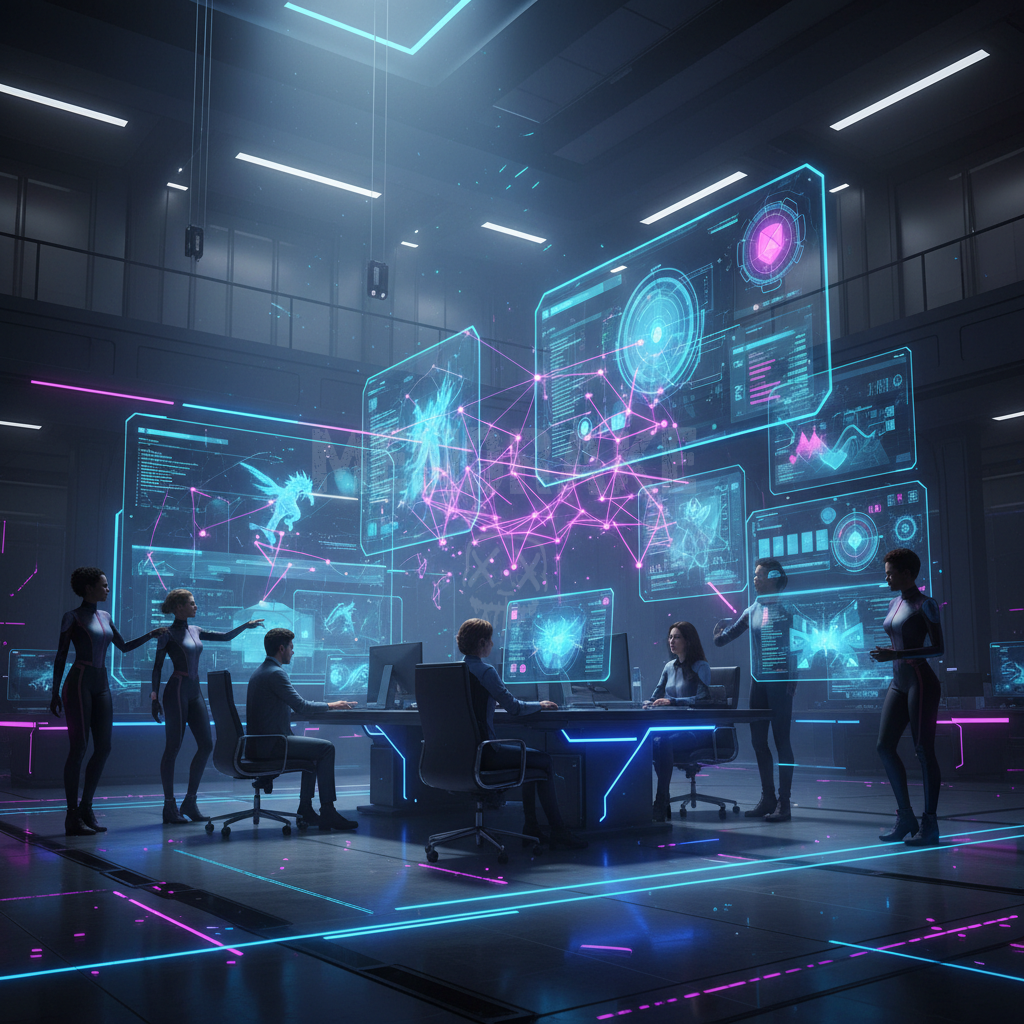
Sony’s acquisition of Cinemersive Labs is strategic. The company specializes in AI and computer vision – technology that could improve everything from character animation to real-time rendering to motion capture. For a company like Sony, which owns both hardware (PlayStation) and software (first-party studios), acquiring this tech is a logical move.
But it’s also part of a larger trend: major publishers are betting heavily on AI to reduce development costs and accelerate production timelines. Whether that’s good for game quality is still being debated. Whether it’s good for game developers is increasingly clear – it’s not.
The Independent Counter-Narrative: Evil Landfall
Evil Landfall is the publishing arm of Peak, an indie studio known for thoughtful, artistic games. The new label is designed to support other independent creators – providing funding, distribution, and creative support without the strings attached to major publishers.
This is the opposite of consolidation. This is fragmentation by design. And it’s becoming increasingly common. Indie developers are realizing that the traditional publishing model – where a major publisher funds your game in exchange for creative control and a cut of revenue – is no longer the only option.
The Larger Picture: Gaming’s Bifurcation
What we’re seeing is a gaming industry splitting into two distinct ecosystems:
- The Consolidation Path: Major publishers (Sony, Microsoft, Tencent, etc.) acquiring technology, studios, and talent to build bigger, more expensive games with more control over the entire pipeline.
- The Independent Path: Smaller studios and publishers creating networks of mutual support, sharing resources, and maintaining creative autonomy.
Both paths are viable. Both are growing. But they’re moving in opposite directions.
The Question Nobody’s Asking: What Happens to Mid-Tier Games?
Here’s the uncomfortable truth: there’s shrinking space for mid-tier games – the $20-40 million budget games that aren’t indie but aren’t AAA. Those games are increasingly being squeezed out. Either they scale up to AAA budgets (requiring consolidation) or they scale down to indie budgets (requiring independence).
The games industry is becoming a barbell economy: massive AAA productions on one end, scrappy indie games on the other, and less and less in the middle.
Our Take
Sony’s acquisition of Cinemersive Labs and Evil Landfall’s launch are both rational responses to the same market pressure. But they’re pointing in opposite directions. One is saying “consolidate and control.” The other is saying “decentralize and collaborate.”
The next five years will determine which strategy wins. And the answer will define what gaming looks like in 2030.
Leave a Reply